Geothermal Learning Hub
Beginner-friendly guides to geothermal heat pumps — from first questions to confident decisions. No jargon, no sales pitch.
Four Modules, Zero Jargon
Start at Module 1 or jump to what’s most relevant. Each module builds on the last.
Geothermal Basics
What geothermal energy is, how the ground stays warm year-round, and why it’s different from solar or wind power.
Costs & Savings
How to compare complete proposals, model ownership scenarios, and verify incentives before counting them.
Is It Right for Me?
Property requirements, climate considerations, soil types, and red flags that make geothermal a poor fit.
The Installation Process
What to expect from site survey to commissioning — timeline, permits, disruption, and red flags when hiring.
12 Key Terms, Plain English
The terms you’ll encounter most — defined without the textbook.
- Ground Source Heat Pump (GSHP)
- A heating and cooling system that moves heat to and from the ground rather than generating it by burning fuel.
- Ground Loop
- Buried pipes filled with a water-glycol solution that circulate heat between your home and the earth below the frost line.
- COP (Coefficient of Performance)
- Efficiency ratio: a COP of 4 means 4 units of heat delivered for every 1 unit of electricity consumed.
- EER / EER2
- Cooling-efficiency ratings measured under defined test conditions. Compare the exact model and rating condition used in a proposal.
- Closed-Loop System
- Ground loops where the same fluid circulates indefinitely, never contacting groundwater. The most common residential type.
- Open-Loop System
- Uses actual groundwater (a well) as the heat source/sink. Often more efficient but requires adequate water availability.
- Manual J
- ACCA’s load calculation standard. A properly sized geo system must be based on a full Manual J — not a rule of thumb.
- IGSHPA
- International Ground Source Heat Pump Association. Certifies installers and sets the standards for design and installation.
- Vertical Loop
- Ground loops installed in drilled bores. Depth, quantity, spacing, grout, and testing must come from the project design and local ground conditions.
- Horizontal Loop
- Ground loops installed in trenches. Layout and land needs depend on the building load, soil, pipe arrangement, site constraints, and design temperatures.
- Loop Field
- The area of land (or water body) where ground loops are installed. Size depends on heating load and local soil conductivity.
- Desuperheater
- An optional heat exchanger that can transfer available compressor heat to domestic water. Contribution varies with equipment, operation, climate, and hot-water use.
What Homeowners Ask First
A ground-source heat pump moves heat between the building and a designed ground loop or groundwater system. Exact performance depends on the building load, selected equipment, ground design, pumps, controls, and operating conditions. Read the source-checked explainer →
There is no safe national price for one property. Compare complete local proposals that use the same calculated loads, ground design, indoor work, permits, restoration, testing, and warranties. Use the complete-cost method →
It depends on the complete installed premium, actual energy use and rates, exact equipment performance, financing, approved incentives, maintenance, and ownership period. Model several documented scenarios instead of accepting a promised payback. Build a scenario →
The usable area depends on the building load, ground conditions, setbacks, utilities, access, loop configuration, and local rules. A qualified designer must document the layout; lot size alone cannot select the loop.
Service life varies by equipment, installation, water or loop conditions, maintenance, duty, and repairs. Use the exact manufacturer warranty and maintenance documents rather than a universal lifespan claim.
Sometimes. The answer depends on the calculated heating and cooling loads, distribution system, electrical capacity, ventilation, hot-water scope, backup strategy, and selected equipment performance.
Both move heat, but they use different heat sources and system designs. Compare exact equipment performance at local conditions, complete installation scope, backup needs, and modeled annual energy rather than a universal savings percentage. Use the full comparison →
Verify current licenses, insurance, relevant training, comparable projects, permits, calculated loads, equipment selection, ground design, testing, commissioning, warranties, and closeout records. Search the directory →
All Learning Guides

Geothermal Heat Pumps in Cold Climates
If you live in Minnesota, Maine, Montana, or anywhere else that endures brutal winters, you may have written off geothermal heat pumps as something designed...
Read guide →
Geothermal Radiant Floor Heating Guide
Most home heating systems force you to choose between efficiency and comfort. Geothermal radiant heating delivers both—pairing the ground's stable thermal energy with silent, whole-floor...
Read guide →
Geothermal Pool Heating: Cost, Efficiency & Guide
Heating a swimming pool is one of the costliest home energy expenses — a gas heater can burn through $2,000 to $4,000 every season, while...
Read guide →
Geothermal Water Heater: How It Works & Cost
A geothermal water heater uses the stable thermal energy stored in the earth to heat your home's water supply—delivering the same hot water you rely...
Read guide →
Installing Geothermal in an Existing Home
Installing geothermal in an existing home is one of the smartest long-term investments a US homeowner can make. While new construction allows geothermal systems to...
Read guide →
Geothermal Heat Pump Troubleshooting Guide
A geothermal heat pump is one of the most reliable home comfort systems available — but when something feels off, the silence of the equipment...
Read guide →
Commercial Geothermal Systems Guide
Commercial geothermal systems consistently rank among the most efficient and cost-effective heating and cooling solutions available to US businesses, institutions, and large facilities—and the numbers...
Read guide →
Buying a Home With Geothermal Heating
Finding a home equipped with a geothermal heating and cooling system is one of the most valuable surprises a buyer can encounter. These systems quietly...
Read guide →
Geothermal Energy
Geothermal energy is heat energy derived from inside the Earth. For homeowners, geothermal energy represents one of the most efficient and environmentally responsible ways to...
Read guide →
Geothermal Greenhouse Heating: Systems, Costs & Savings
A geothermal greenhouse uses the stable thermal energy stored in the earth to maintain consistent, year-round growing conditions while consuming 50 to 70 percent less...
Read guide →
Does Geothermal Work in Canadian Winters?
Yes — geothermal heat pumps work in Canadian winters, and the colder your climate the more sense they tend to make. The reason is simple...
Read guide →
Geothermal Heating: How It Works in Cold, Mild & Hot Climates
Geothermal heating works in any US climate zone (1-7) because subsurface temperature stays 50-60F. Zone-by-zone deep dive, cooling/dehumidification, backup heat strategy, and 25-year NPV by region.
Read guide →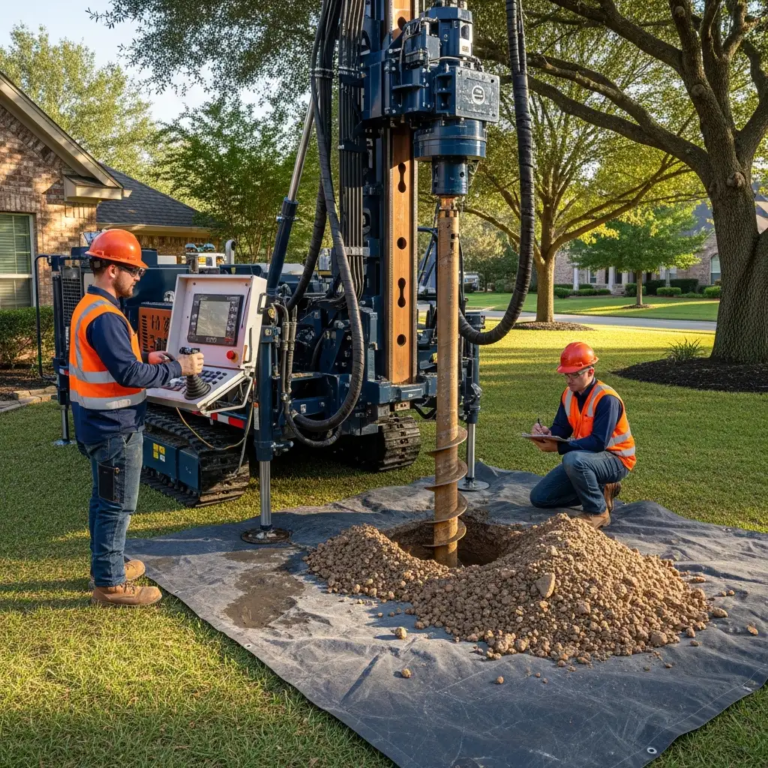
Geothermal Drilling Guide: Vertical Wells, Horizontal Trenching & Costs
Complete guide to geothermal drilling: vertical wells (150-300ft), horizontal trenching (4-6ft), pond loops, regional cost data, permits, and how to vet IGSHPA-certified contractors.
Read guide →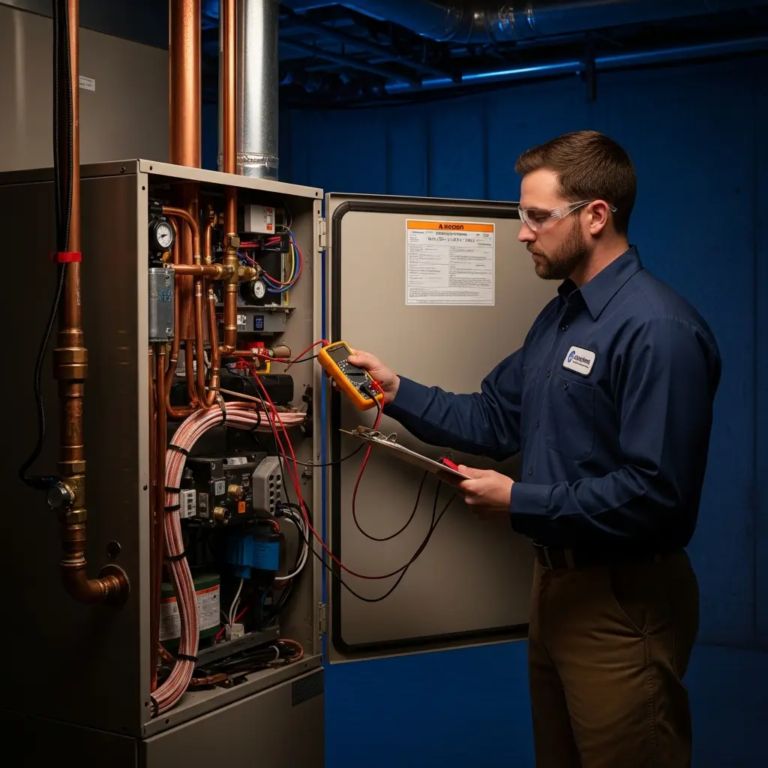
Geothermal Maintenance & Service Manual: 25-Year Care Plan
Complete 25-year care plan for residential geothermal heat pumps: annual maintenance, 5/10/15/20-year milestones, diagnostic flowcharts, repair costs by component, brand-specific service notes, and replacement decision criteria.
Read guide →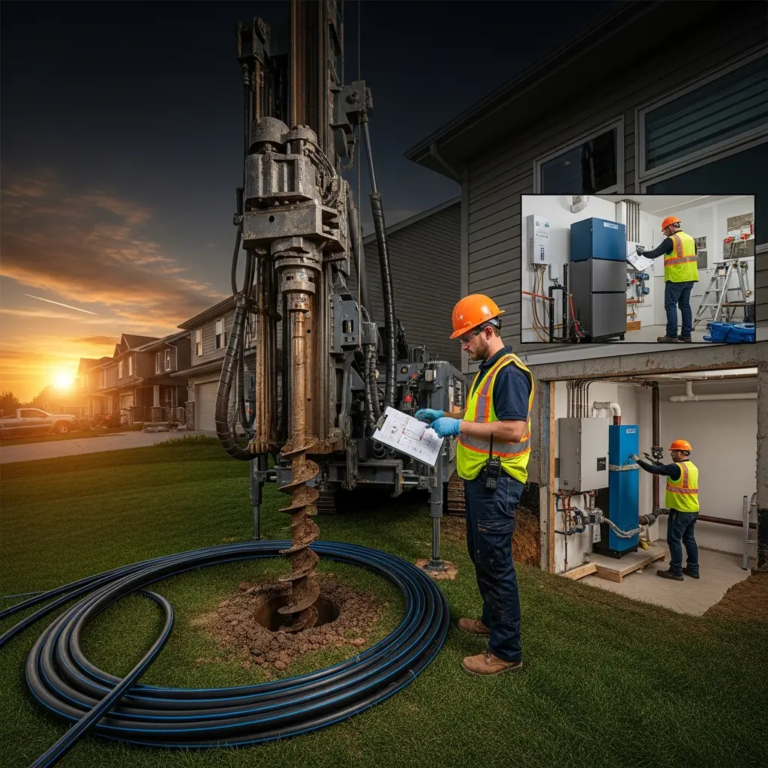
Geothermal Installation Process: 12 Steps from Site Assessment to Startup
Complete 12-step guide to the geothermal heat pump installation process — from Manual J load calculation through commissioning, with timelines, cost ranges, and IGSHPA-spec quality checks at each stage.
Read guide →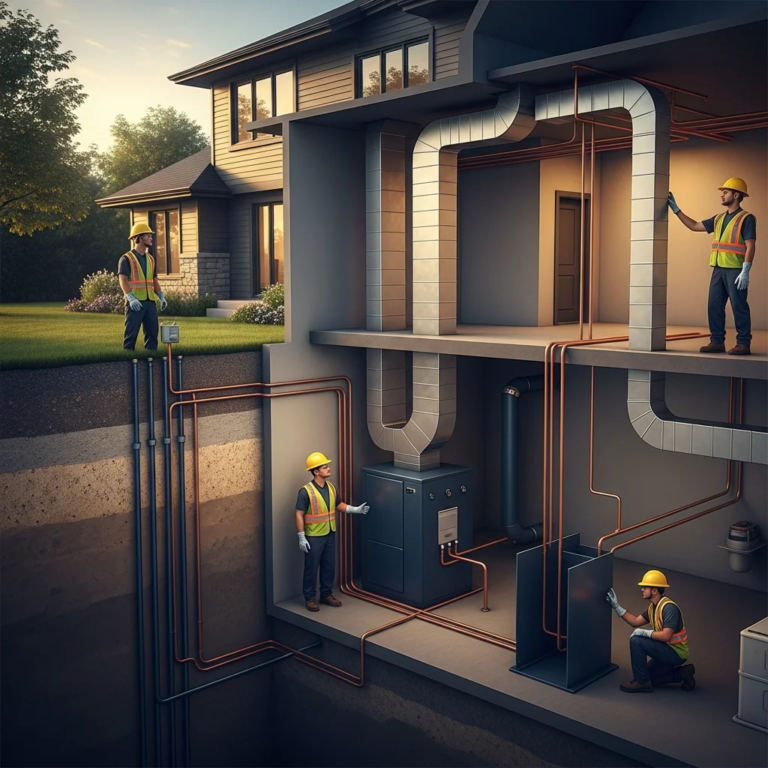
Complete Guide to Geothermal Heat Pump Costs in 2026
Complete 2026 cost guide for geothermal heat pumps: national averages, component breakdown, loop-type comparison, climate zone sizing, state-by-state pricing, post-OBBBA federal reality, and financing options.
Read guide →
Closed Loop Geothermal System
The ground beneath every U.S. property holds a stable temperature near the local mean annual air temperature, typically between 45°F and 75°F at depths of...
Read guide →
Geothermal Ground Source Heat Pump
A ground source heat pump (GSHP) — also called a geothermal heat pump in everyday North American usage — is one of the most efficient...
Read guide →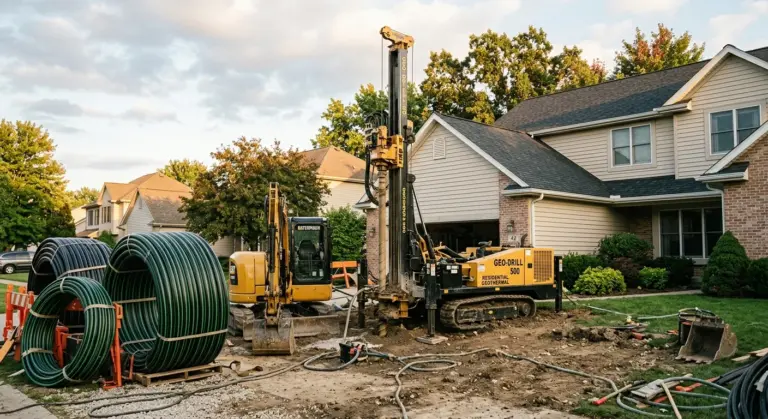
Geothermal Heat Pump Installation: The Complete Step-by-Step Process
Most homeowners are genuinely surprised by how methodical geothermal heat pump installation turns out to be. Unlike a furnace swap or a window AC unit,...
Read guide →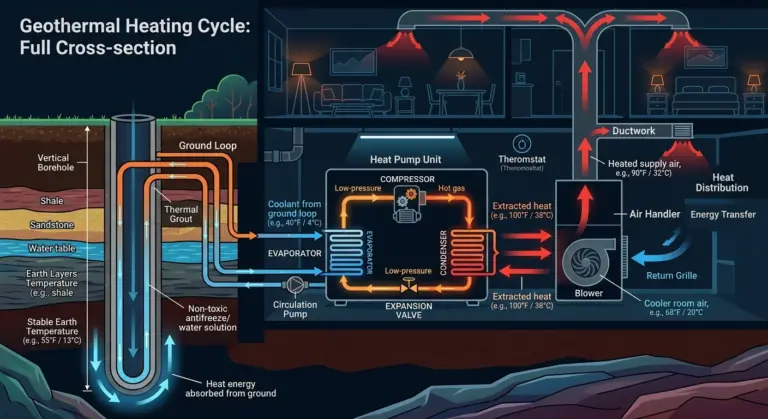
How Does Geothermal Heating Work? A Complete Homeowner's Guide
Your furnace burns gas. Your boiler burns oil. But a geothermal heating system burns nothing at all — it simply moves heat that already exists...
Read guide →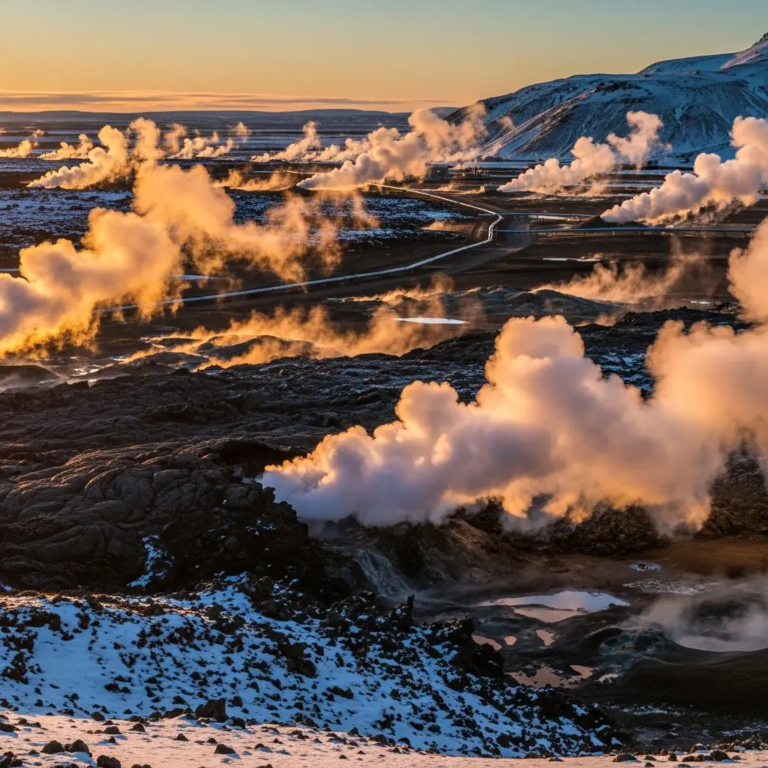
What Country Gets 90% of Its Homes Heated by Geothermal?
Iceland heats approximately 90% of homes with geothermal energy — and why the US uses ground-source heat pumps rather than direct geothermal heating. Geological context + other countries that lead in geothermal.
Read guide →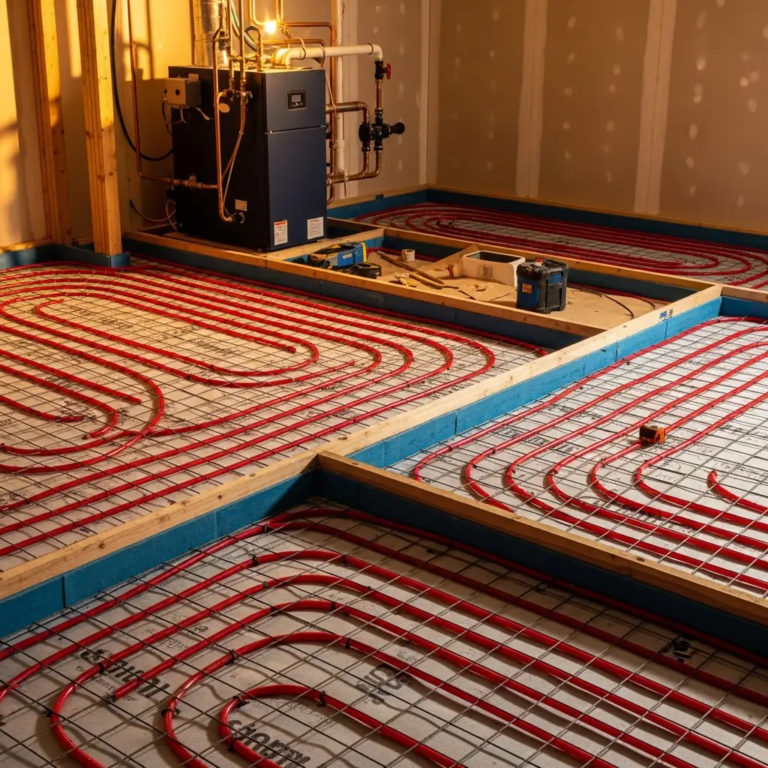
Radiant Floor Heating with Geothermal: Pairing Guide
Pairing geothermal with radiant floor heating delivers the most comfortable, efficient residential heating — water-to-water heat pump at 90-110F supply water, COP 4-5. Best for new construction.
Read guide →
Geothermal Greenhouse Heating: Cost, ROI & System Design
Geothermal greenhouse heating: $12K-$120K install range, 5-12 year payback vs propane, climate-by-climate ROI table, USDA REAP grants up to 50% for ag operations.
Read guide →
Best Geothermal Heat Pump 2026: 7 Top Models Compared
Best geothermal heat pump 2026 — 7 top models compared on EER, COP, warranty, and dealer network. WaterFurnace, ClimateMaster, Bosch, Trane, Carrier R-454B-compliant units.
Read guide →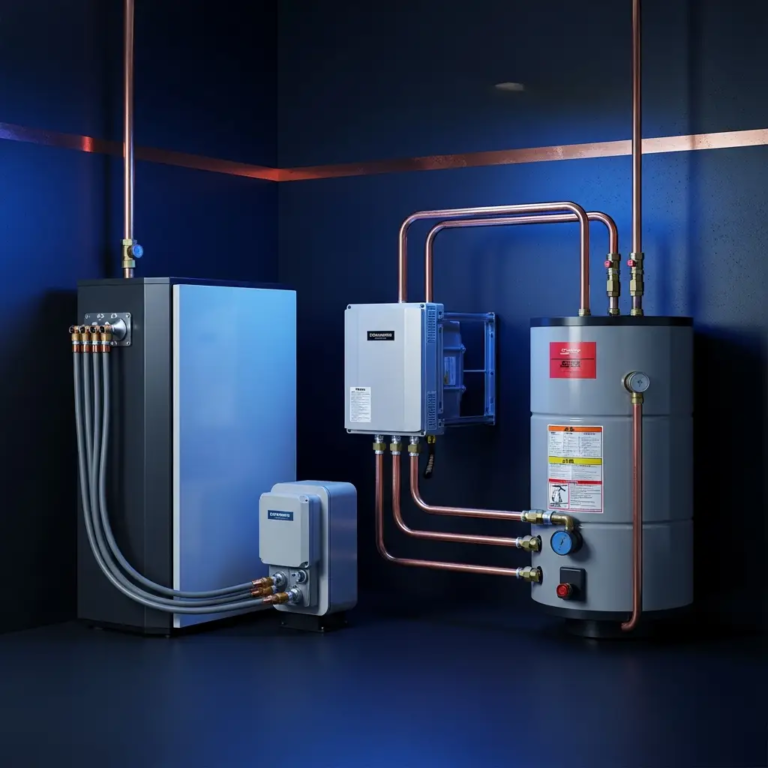
Geothermal Water Heater: How a Desuperheater Works (& Saves $)
How a geothermal desuperheater works: captures compressor waste heat to pre-heat domestic hot water at 30-60% savings. Standard on most modern units. Sizing + ROI.
Read guide →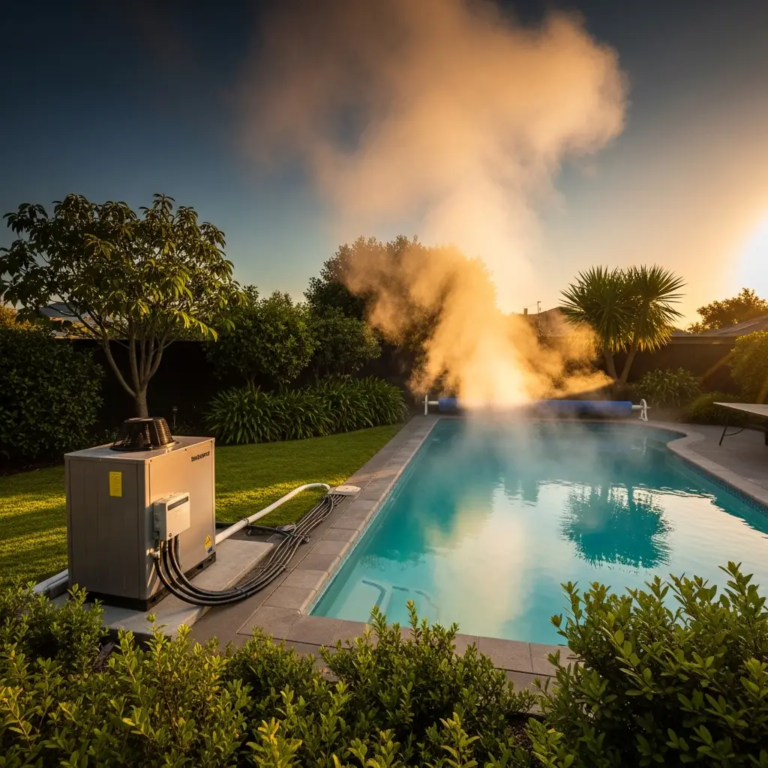
Geothermal Pool Heating: Cost, Sizing & ROI for Backyard Pools
Geothermal pool heating cost, sizing, and ROI: $8K-$35K install, 4-8 year payback vs propane. Climate suitability table, system design, and operating-cost comparison.
Read guide →
Geothermal Pros and Cons: 14 Real Tradeoffs Homeowners Face in 2026
Honest 2026 pros and cons of residential geothermal heat pumps — 14 real tradeoffs, decision matrix, and post-OBBBA reality (federal credit gone, state rebates partially fill gap).
Read guide →
Is Geothermal Heating and Cooling Worth It in 2026?
Is geothermal heating and cooling worth it in 2026? Honest answer for cold/mid-climate homes: $20K-$45K lifetime savings, payback 12-18 years post-OBBBA, decisive yes for oil/propane replacers.
Read guide →
Why Is My Electric Bill So High With Geothermal? 7 Causes & Fixes
Geothermal should cut total heating cost 40-70% — when bills climb instead, the cause is one of 7 issues. Diagnostic flow + fix per cause.
Read guide →
Geothermal Heating in Cold Climates: Does It Actually Work in -20°F?
Geothermal heating works in cold climates including -20F outdoor air because subsurface temperature stays stable 40-50F at 6ft. COP curves, loop sizing, antifreeze ratios, and backup heat strategy explained.
Read guide →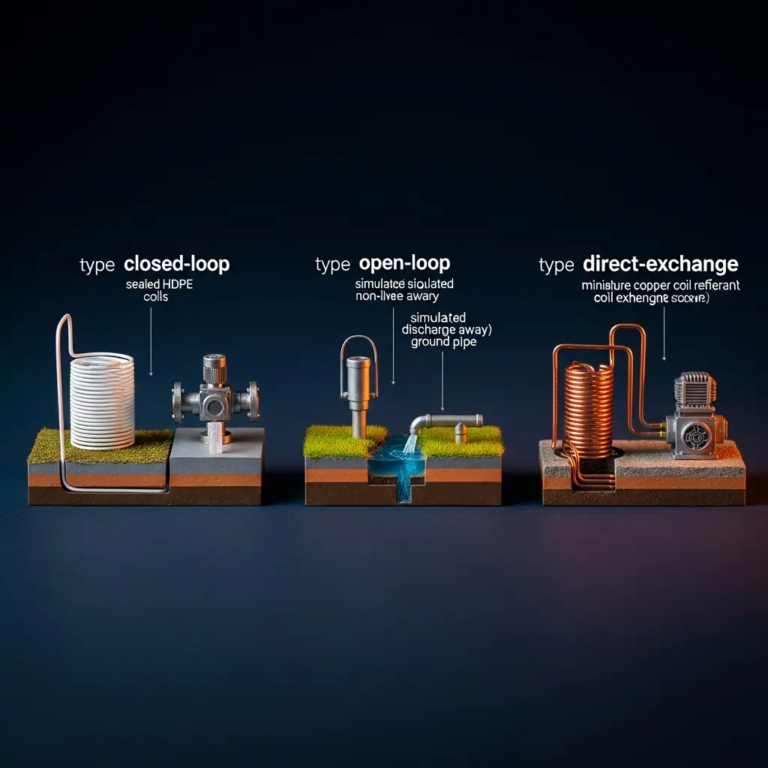
What Are the Three Types of Geothermal Heat Pumps?
The three types of geothermal heat pumps: closed-loop sealed circuit, open-loop groundwater, and direct-exchange refrigerant. Decision framework for which fits your home.
Read guide →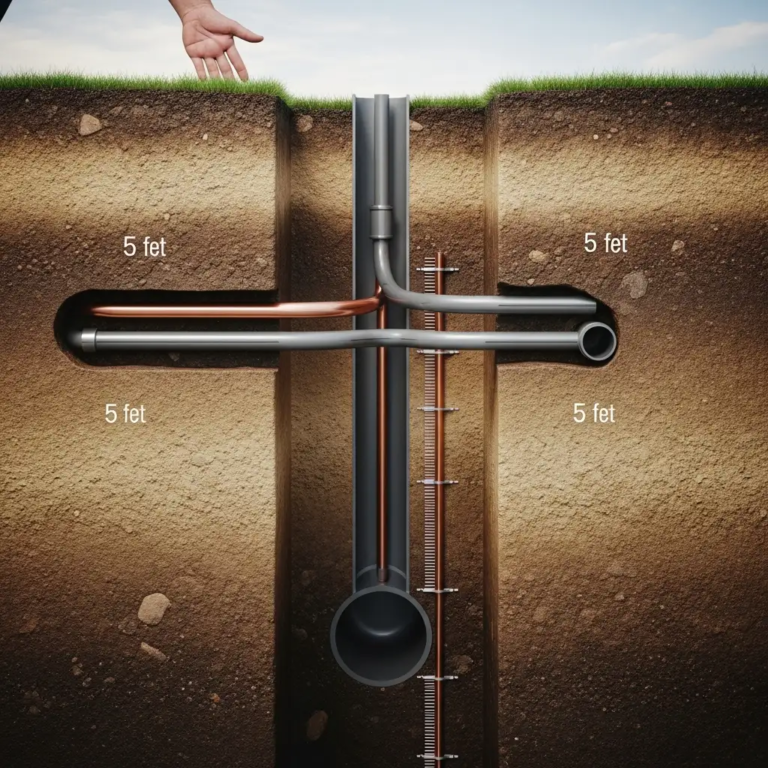
How Deep Is a Geothermal Loop? Vertical, Horizontal & Pond Depths
How deep does a geothermal loop go? Vertical 150-400ft, horizontal 4-6ft, pond 6-15ft. Depth depends on tonnage, soil thermal conductivity, frost line, and climate zone.
Read guide →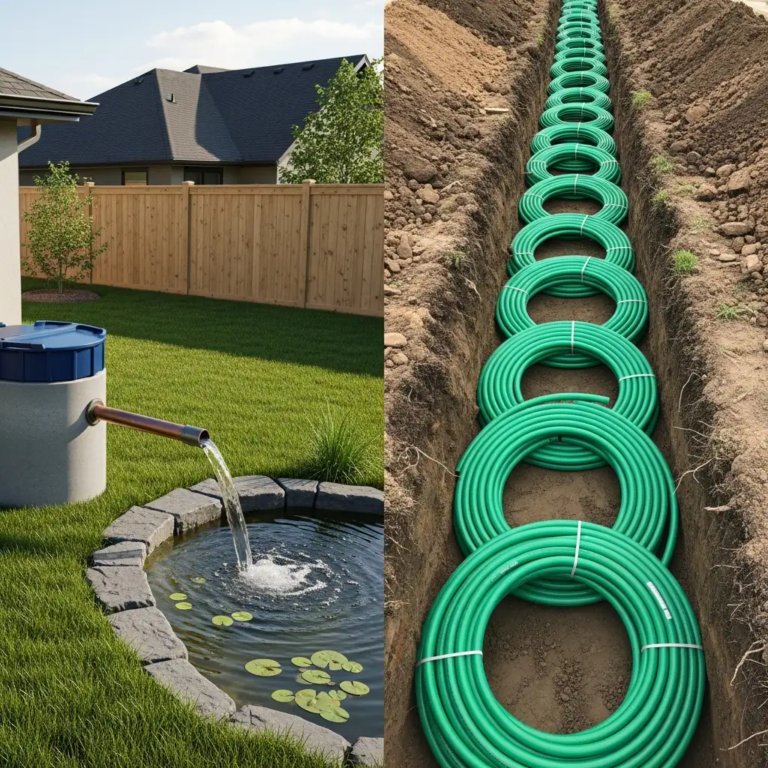
Open Loop vs Closed Loop Geothermal: Pros, Cons & Cost Per Type
Open-loop vs closed-loop geothermal head-to-head: cost, permitting, when each wins. Closed dominates US (95%); open saves $5K-$10K when good aquifer + permits allow.
Read guide →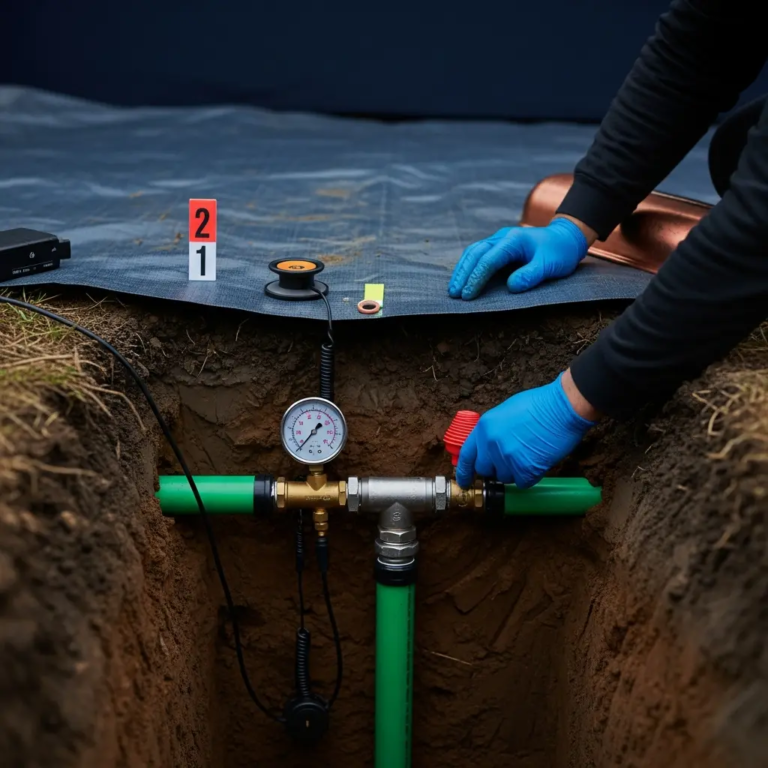
Geothermal Loop Leak: Signs, Repair Cost & Prevention
Geothermal loop leaks are rare (1-2% of installs over 25 years) but expensive ($2,500-$6,000) when they happen. Diagnostic flow, pressure-test verification, and prevention strategies.
Read guide →
How Long Does a Geothermal Heat Pump Last? 25-Year Lifespan Reality
How long does a geothermal heat pump last? Indoor unit: 20-25 years. Ground loop: 50+ years. Component-by-component lifespan table, brand warranty comparison, and when to replace vs repair.
Read guide →Need a Geothermal Contractor?
Search the directory for geothermal installers near you. Compare services and listed credentials, read reviews, and contact installers.
Find Installers Near YouOwn a Geothermal Business?
Claim your free listing to get more qualified leads, show up in local search, and answer customer questions where they’re already looking.
Claim Your Free Listing