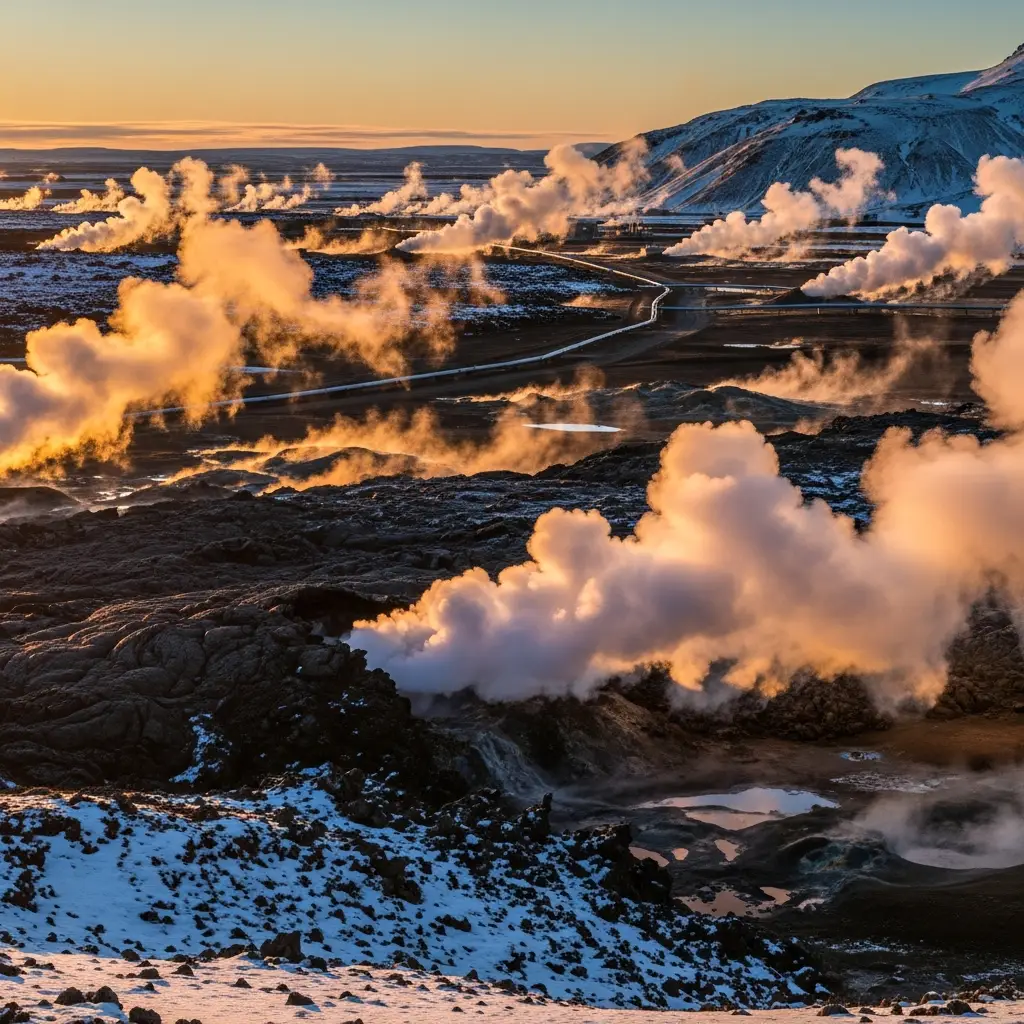
Iceland heats approximately 90% of its homes using geothermal energy drawn directly from natural underground hot water reservoirs. In the capital, Reykjavík, the figure reaches close to 100%. The country…
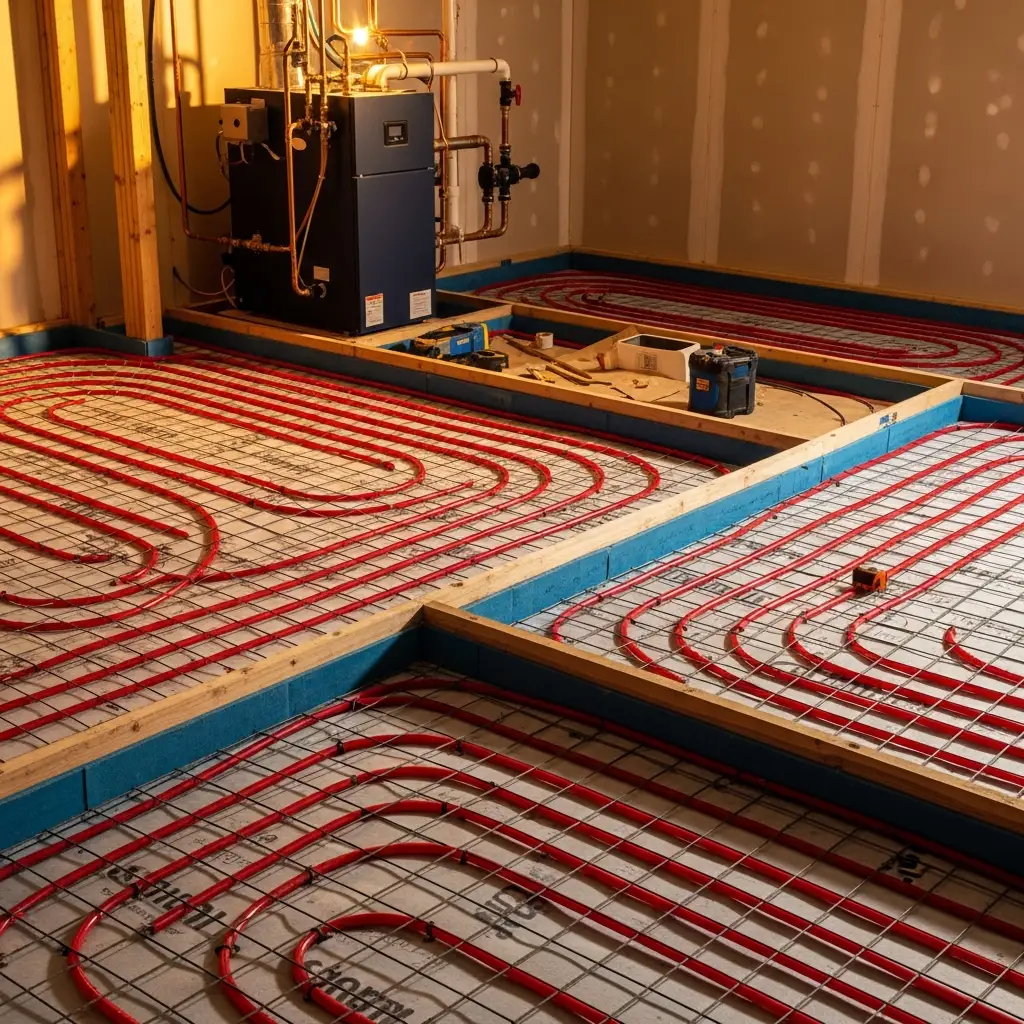
Pairing a water-to-water geothermal heat pump with a hydronic radiant floor system produces the most comfortable, efficient heating setup available to homeowners today. A geothermal unit extracts stable ground-loop heat…
Geothermal greenhouse heating uses a ground-source heat pump to extract stable underground heat and maintain 50–70°F air temperatures year-round at 30–50% of the cost of conventional propane or natural gas…
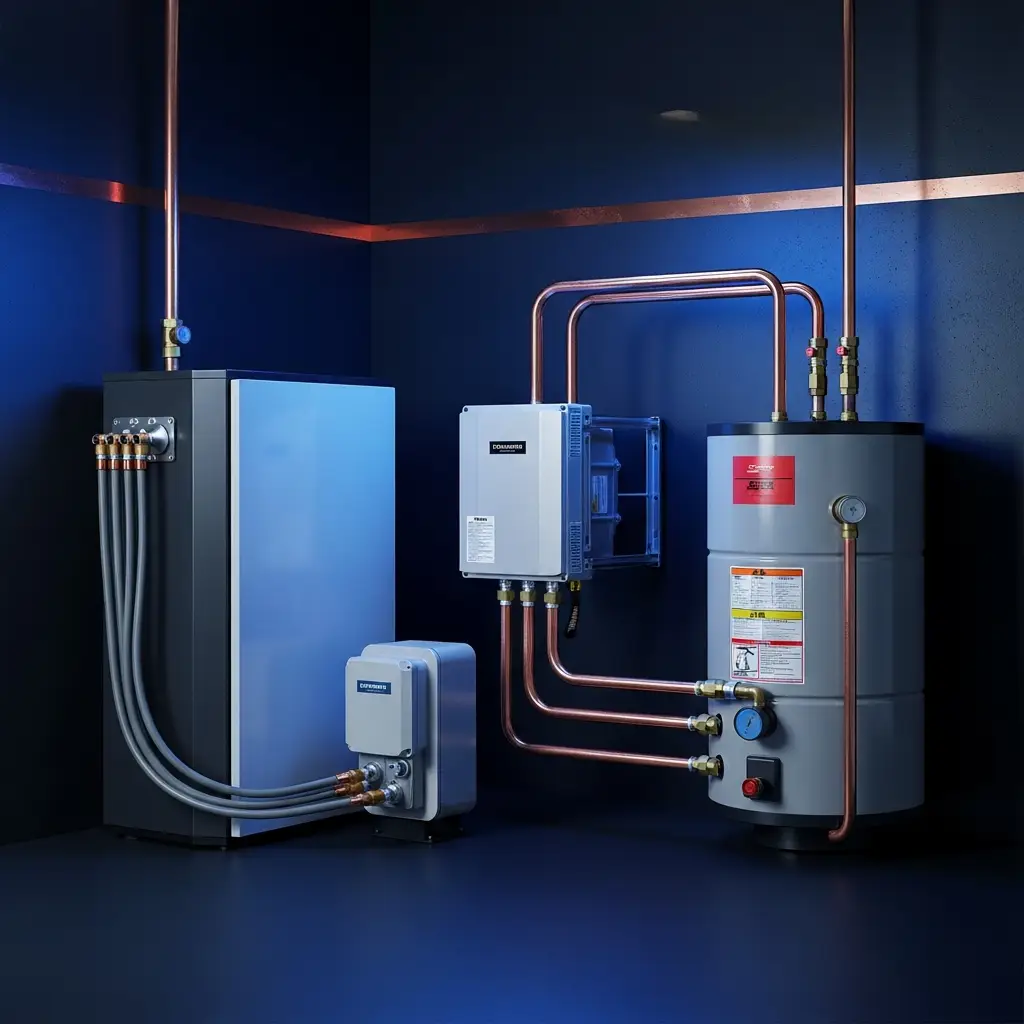
Most homeowners are surprised to learn that their geothermal heat pump can heat their domestic hot water at little or no extra cost. Nearly all modern geothermal units include a…
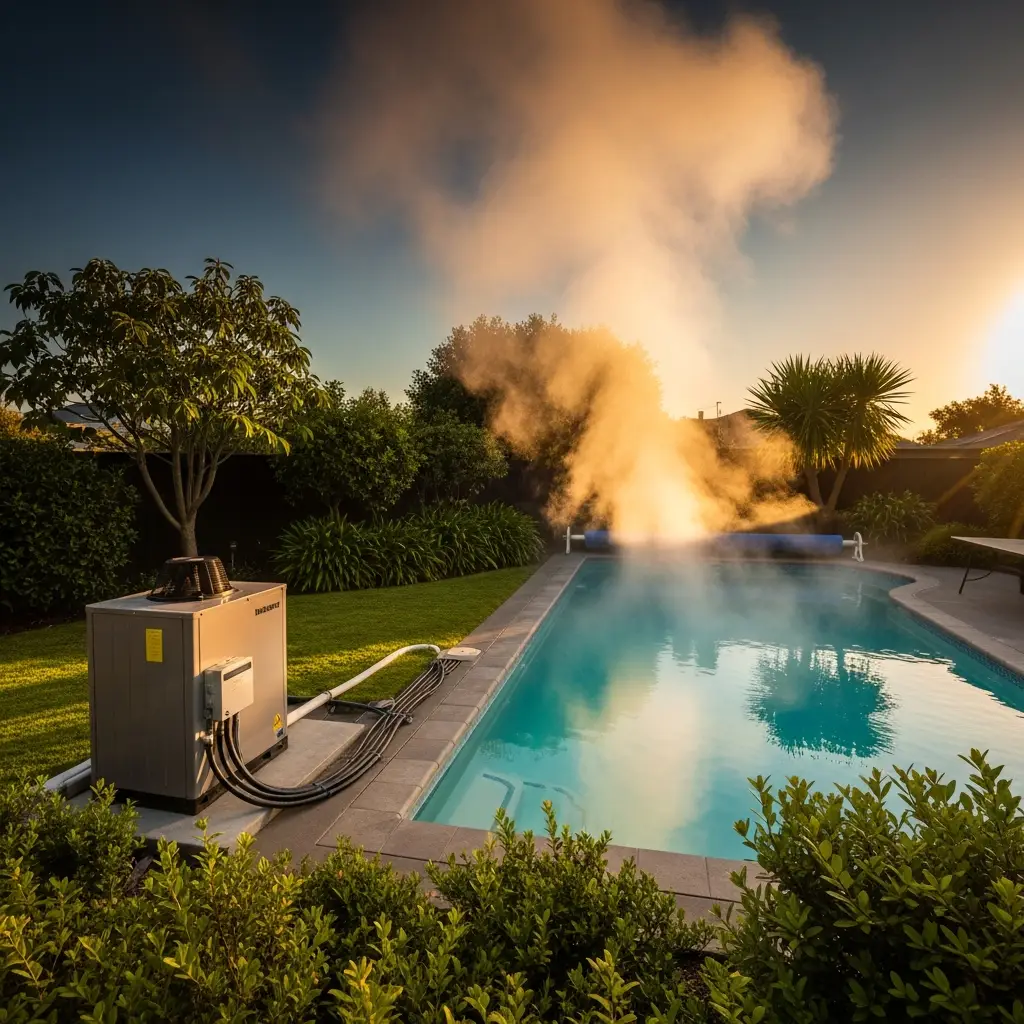
Geothermal pool heating uses a water-to-water heat pump — or a dedicated geothermal coil tapped from an existing ground loop — to maintain residential pool water at 78–88°F with a…
Yes — geothermal heating works reliably in any cold climate, including regions that regularly see -20°F (-29°C) outdoor air. The secret is that geothermal systems harvest heat from the earth,…
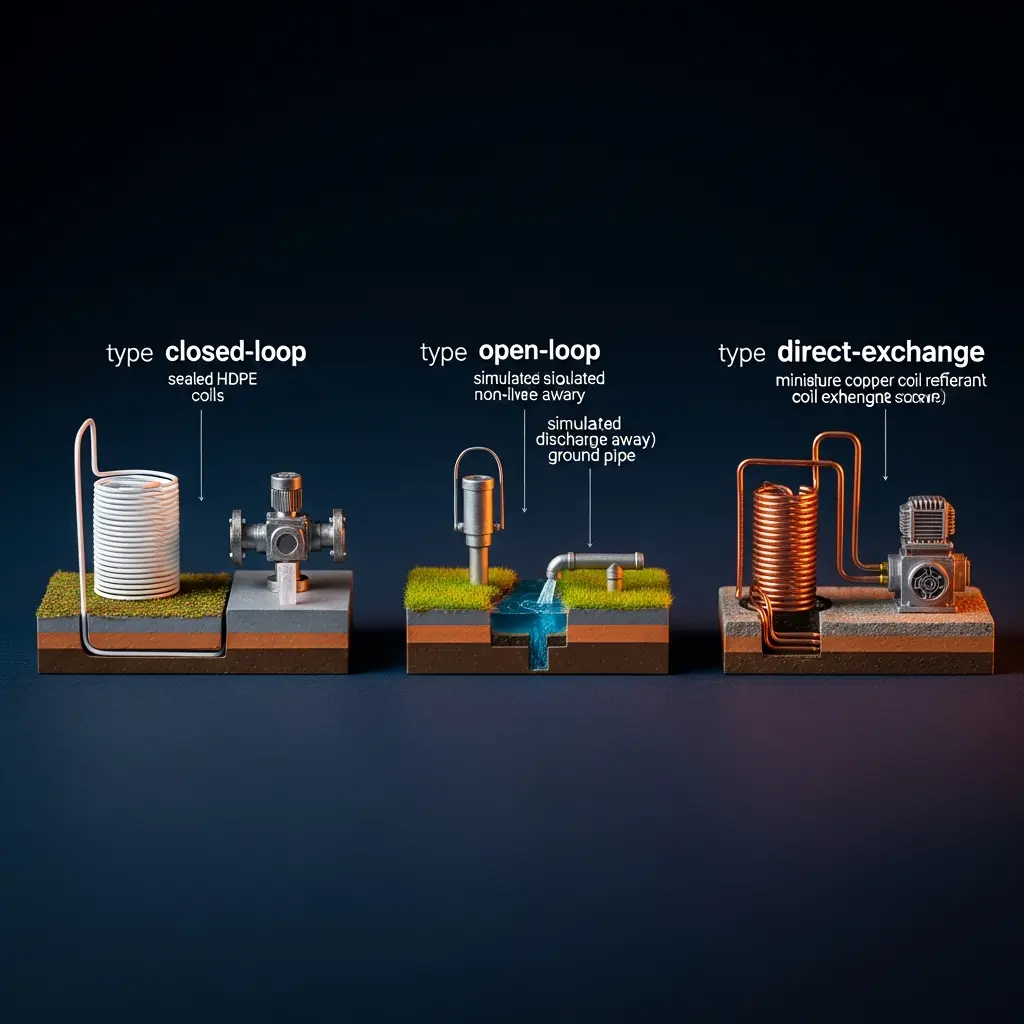
The 3 Main Types of Geothermal Heat Pumps Every residential and commercial geothermal heat pump system belongs to one of three categories, defined by how the system exchanges heat with…
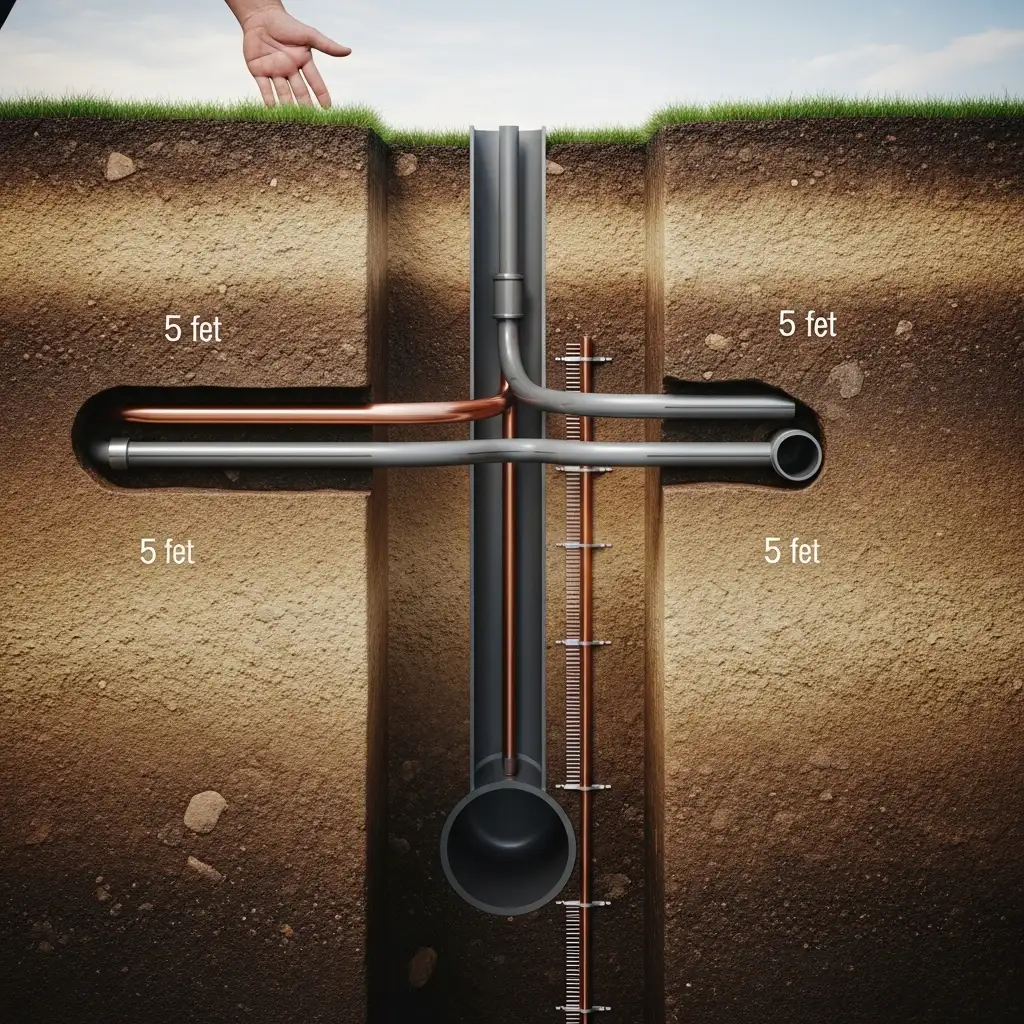
Geothermal loop depth depends on the loop type: vertical boreholes go 150–400 feet deep (most residential installs land at 200–300 ft), horizontal trenches are buried 4–6 feet below grade, and…
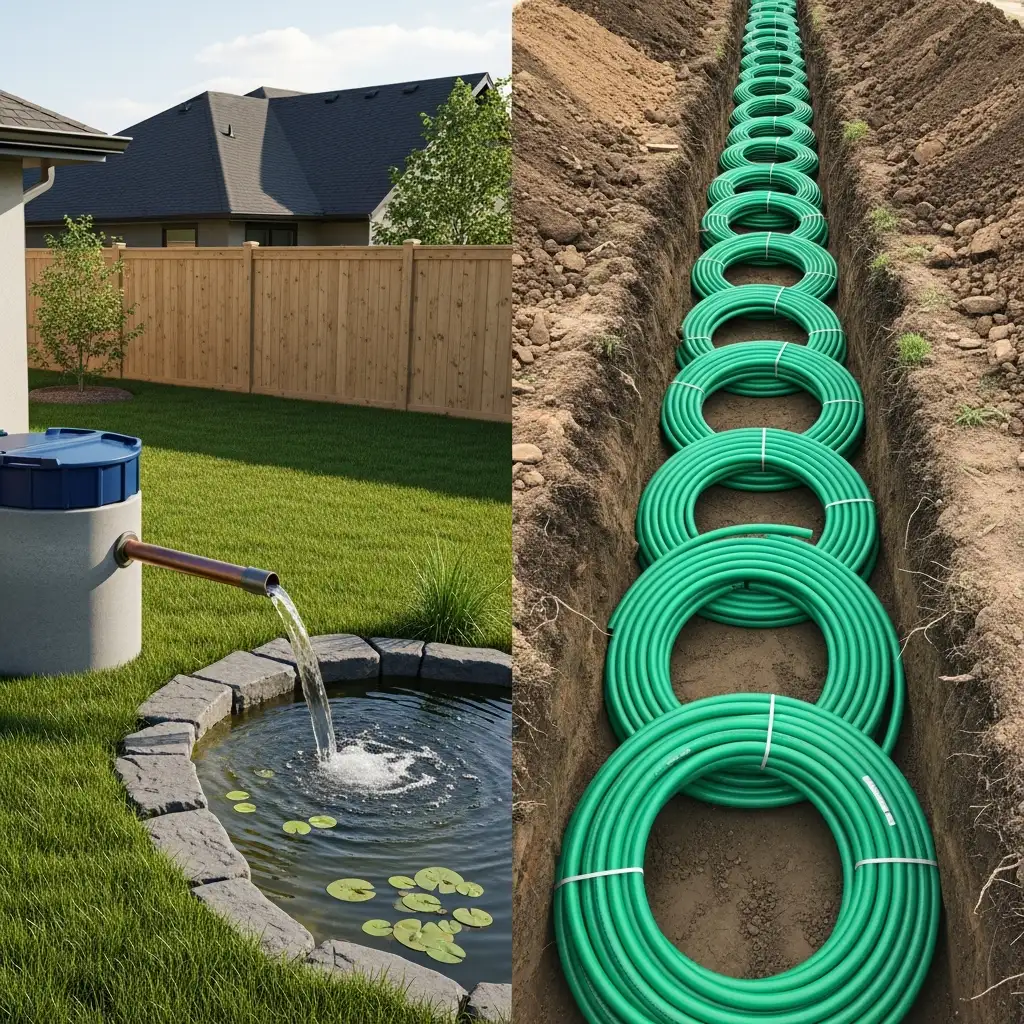
Closed-loop geothermal systems use a sealed HDPE circuit filled with antifreeze and glycol — no groundwater contact, usable almost anywhere. Open-loop systems pump actual groundwater through the heat exchanger and…
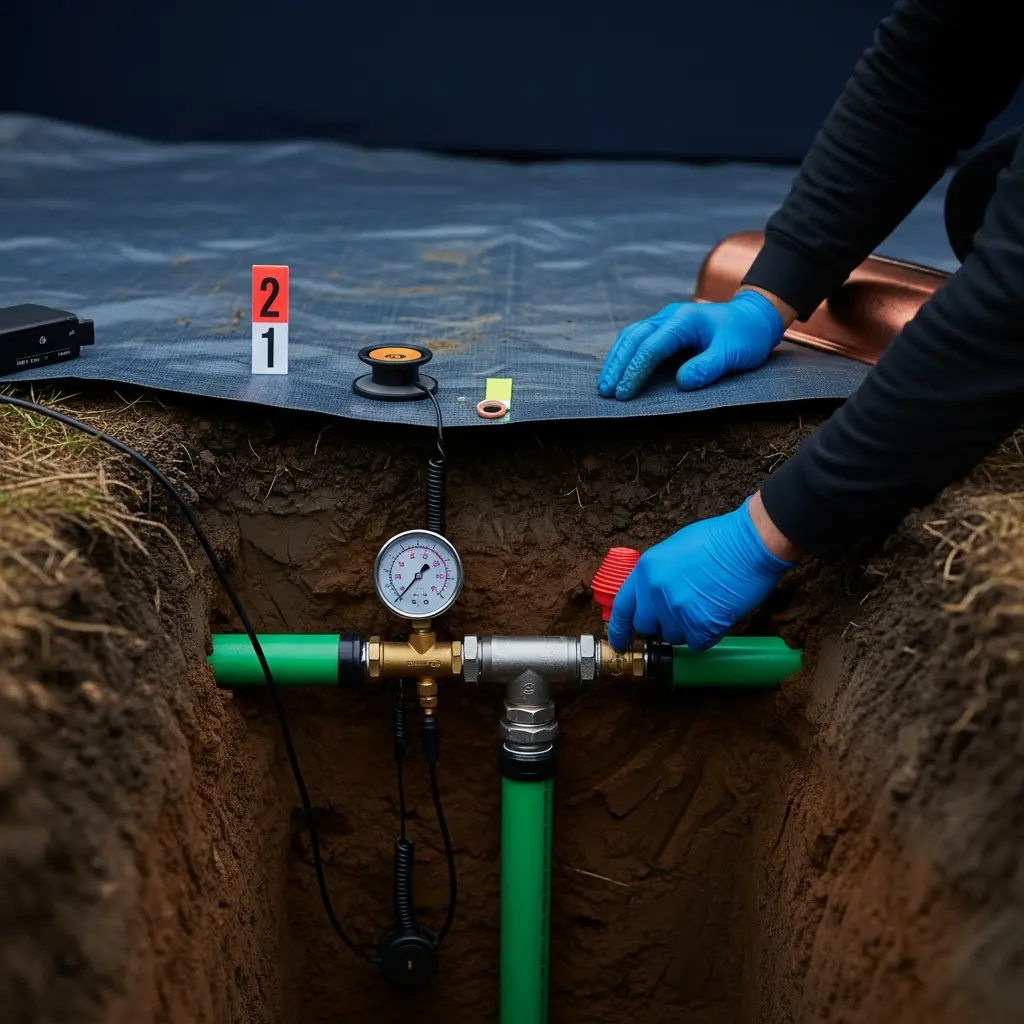
Geothermal loop leaks are rare — pipe makers warrant the PE100 HDPE material for 50 years, and most failures trace to joints and fittings, not the pipe. Repair costs run…
Viewing 10 posts 1 - 10 of 15
Free Geothermal Industry Updates
Find Geothermal Services Faster
Get our free monthly roundup of geothermal permitting tips, new service providers in your area, and municipal regulation updates.
✓
You're on the list!
We'll send you geothermal permitting updates and new provider alerts — no spam, unsubscribe anytime.